
Call us now :07971459156
 Send Inquiry
 Send Inquiry
Vegetable Oil Mill Plant
Price 30000000 INR/ Unit
MOQ : 1 Unit
Vegetable Oil Mill Plant Specification
- Function Type
- Extraction, Filtering, Refining
- Heating Method
- Electric/Steam Heating
- Power Source
- Electric
- Phase
- Three Phase
- Operating Temperature
- Up to 140 Celsius (oC)
- Automation Grade
- Automatic
- Features
- High Yield, Low Residue, Easy Maintenance
- Frequency
- 50-60 Hertz (HZ)
- Feeding System
- Automatic Conveyor
- Machine Type
- Continuous Processing Unit
- Speed Mode
- Adjustable Speed
- Product Type
- Vegetable Oil Mill Plant
- General Use
- Industrial Oil Extraction and Refining
- Capacity
- 10 to 500 Ton/day
- Product Shape
- Rectangular Modular Units
- Computerized
- Yes
- Power
- 60-200 Watt (w)
- Feature
- Energy Efficient, Robust Structure
- Applicable Oils
- Soybean, Palm, Sunflower, Groundnut, Cottonseed, Mustard
- Working Pressure
- 5-7 bar (for refining section)
- After Sales Service
- Available
- Safety Features
- Overload Protection, Emergency Stop
- Material Finish
- Stainless Steel/Carbon Steel (As Required)
- Environmental Compliance
- Meets national pollution norms
- Operator Requirement
- 2-5 persons per shift
- Oil Recovery Rate
- Up to 98%
- Water Consumption
- Depends on capacity (Typical: 1-5 m3/hr)
- Processing Steps
- Crushing, Pressing, Conditioning, Deodorizing, Neutralizing
- Packaging Type
- SKD Packing for Export
- Maintenance
- User-friendly, Easily Serviceable Parts
Vegetable Oil Mill Plant Trade Information
- Minimum Order Quantity
- 1 Unit
- Supply Ability
- 1 Unit Per Month
- Delivery Time
- 10 Months
- Main Export Market(s)
- Australia, North America, South America, Eastern Europe, Western Europe, Middle East, Africa, Central America, Asia
- Main Domestic Market
- All India
About Vegetable Oil Mill Plant
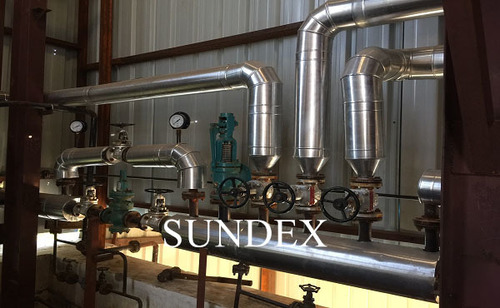
The Refining process has been explained under the heading Vegetable Oil Refining. Sundex Process Engineers Pvt. Ltd offers ChemicalsContinuous Refining Plants. The word Chemical Refining appears since caustic soda a chemical is used in refining of vegetable oils.
Dewaxing Section
Some oils are dewaxed before packing so as to remove waxes, which are dissolved in the oil. Most of the oils do not need dewaxing as they contain little or no waxes. Only sunflower oil & Rice Bran oil contain appreciable quantities of wax to give a hazy appearance during winter season due to precipitation of dissolved waxes and hence require to be dewaxed. Dewaxing is carried out by chilling the oil up to 10-15C followed by filtration of precipitated solids. The oil thus treated gives a sparkling appearance even in winter temperatures. More details available on request
Winterization
Winterization is another name to the process of dewaxing. The name winterization appears as during winter when the temperature is low, waxes present in the oil crystallizes, they give hazy appearance to the oil. Hence during winterization process oil is chilled, crystallizers made to form and are separated in pressure leaf filters. More details are available on request.
Specifications:
- Dimension(L W H): 2000-1400-1850 mm
- Power(W): 22 kw
- Voltage: 380V 50Hz
Product details
|
Design |
Customized |
|
Automatic Grade |
Automatic |
|
Usage |
Sunflower Oil,Cotton Seed Oil,Palm Fruit Oil,Peanut Oil,Soybean Oil |
Advanced Oil Recovery and Refining
Employing cutting-edge processes like automated crushing, pressing, and refining, the Sundex Plant is engineered for maximum oil recovery (up to 98%) from a range of edible seeds. Its streamlined, continuous operation ensures premium oil quality and minimal residue, making it ideal for large-scale industrial use.
Superior Safety and Environmental Standards
Equipped with reliable safety features such as overload protection and an emergency stop mechanism, the plant is designed with operator security in mind. It also meets national pollution norms, with efficient water usage and low noise levels, ensuring sustainable and responsible operation.
Flexible Capacity and Customization
The modular plant supports capacities from 10 to 500 TPD and can be customized in size, material finish, and process configuration to match specific production requirements. Automated conveyors and PLC controls enhance operational efficiency, reducing labor needs to just 2-5 operators per shift.
FAQs of Vegetable Oil Mill Plant:
Q: How does the Sundex Vegetable Oil Mill Plant process edible seeds into refined oil?
A: The plant utilizes a multi-stage process involving crushing, pressing, conditioning, deodorizing, and neutralizing. Seeds are automatically fed and transported through these stages, where impurities are removed and high-quality oil is extracted and refined, ready for further processing or packaging.Q: What types of oils can be processed using this mill plant?
A: This system is designed to handle a wide range of edible oil seeds, including soybean, palm, sunflower, groundnut, cottonseed, and mustard, making it highly versatile for diverse oil extraction requirements in the food industry.Q: When is the right time to perform maintenance on the plant?
A: Routine maintenance should be performed according to the manufacturers guidelines, usually after specified hours of operation or as indicated by the computerized PLC system. Easily serviceable parts and user-friendly design allow for swift upkeep and minimal downtime.Q: Where can the Sundex Continuous Refining Line be installed?
A: The plant is suitable for on-site installation in industrial facilities worldwide. Its modular design and customizable dimensions allow it to fit various spaces and capacities, and it is shipped in SKD packing for convenient export and assembly.Q: What are the main benefits of using this continuous oil mill plant?
A: Key benefits include high yield and low oil residue, robust and energy-efficient operation, compliance with environmental standards, automated control for consistent quality, easy maintenance, and the ability to process various types of oil seeds efficiently.Q: How does the control system ensure process accuracy and safety?
A: The PLC-controlled system automates all key functions, monitors operating parameters such as pressure and temperature (up to 140C), and features safeguards like overload protection and emergency stop to ensure accurate and safe processing throughout the operation.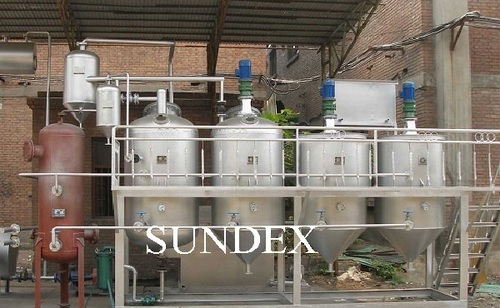
Tell us about your requirement

Price:
Quantity
Select Unit
- 50
- 100
- 200
- 250
- 500
- 1000+
Additional detail
Mobile number
Email

More Products in Vegetable Oil Refinery Plant Category
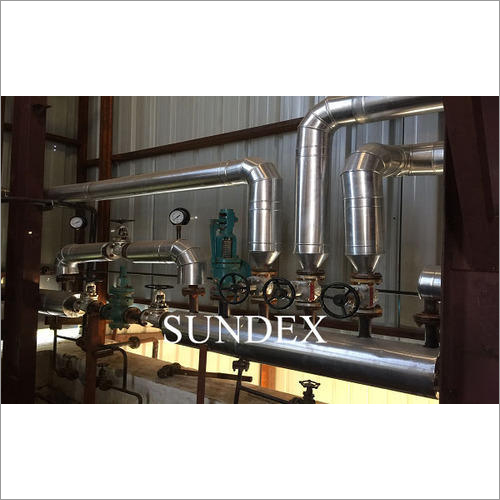
Batch Refining Line
Price 2500000 INR / Unit
Minimum Order Quantity : 1 , , Unit
Material : Stainless Steel
Voltage : 380440V 3phase
Type : Batch Process, Other
Color : Other, Metallic
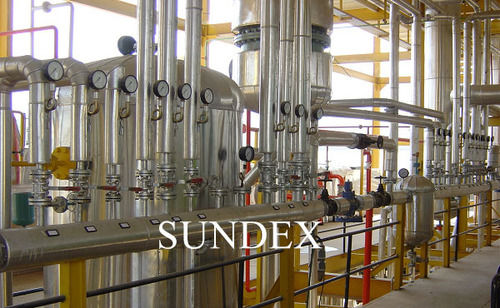
Soya Chemical Refining Plant
Price 30000000 INR / Unit
Minimum Order Quantity : 1 Unit
Material : Metal
Voltage : 220440 Volt (v)
Type : Soya Chemical Refaining Plant
Color : Other
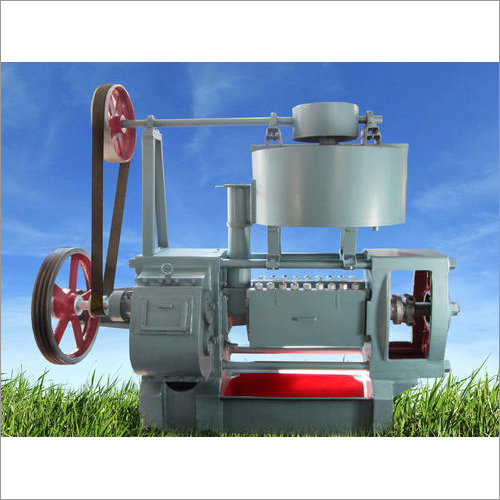
Sunflower Seed Solvent Extraction Plant
Price 10375000.0 INR / Pair
Minimum Order Quantity : 1 Pair
Material : Stainless Steel
Voltage : 240 Volt (v)
Batch Refining Line
Price 30000000 INR / Unit
Minimum Order Quantity : 1 Unit
Material : Metal
Voltage : 220440 Volt (v)
Type : Batch Refining Line
Color : Other

 Send Inquiry
Our Products
- Soyabean Extraction Plant
- Rice Bran Solvent Extraction Plant
- Solvent Extraction Plant
- Vegetable Oil Refinery Plant
- Oil Milling Plant
- Hydrogenation Plant
- Lecithin Plant
- Cattle Feed Plant
- Soya Derivative Plant
- Super Critical Fluid Extraction
- Seed Cracker
- Canola Seed Machinery
- Canola Seed Oil Extraction Plant
- Fractionation Plant
- Industrial Machines
- Evaporation Plant
- Biodiesel Plant
- Deodorization Plant


110-112, A wing, Anjani Complex, opp. Western Express Metro Station, Chakala, Andheri East, Mumbai - 400069, Maharashtra, India

Mr. Rohan Gulati
(Director-Projects)
Mobile :07971459156
 Send Inquiry
 Send SMS
 Call Me Free
Developed and Managed by Infocom Network Private Limited.


 English
 Spanish
 French
 German
 Italian
 Chinese (Simplified)
 Japanese
 Korean
 Arabic
 Portuguese